

Construction Isn't What It Used to Be
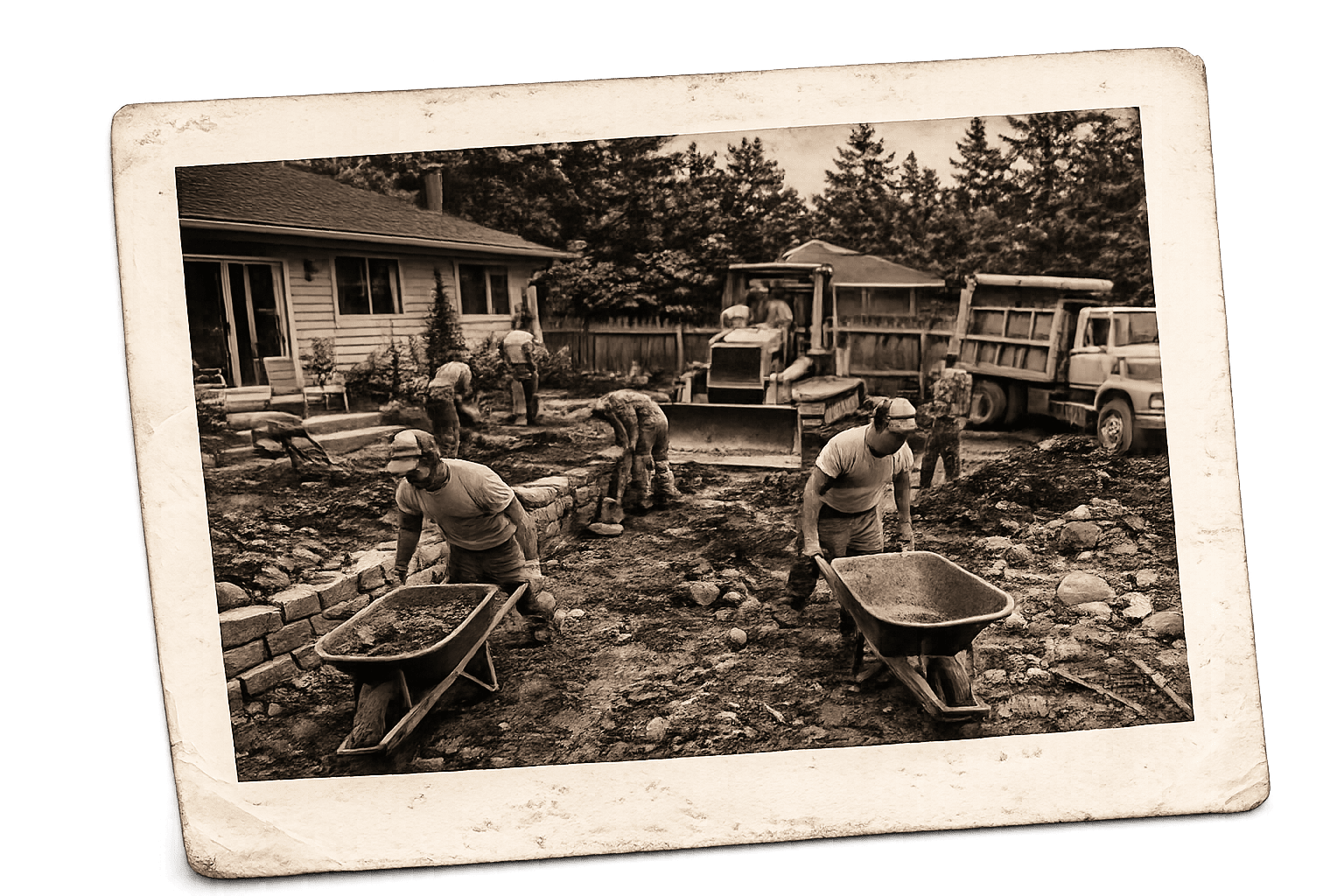
Construction across New England has evolved dramatically over the past decade.
Contractors today face challenges that previous generations rarely experienced.
Projects move faster.
Labor costs continue to rise.
Experienced workers are increasingly difficult to find.
Customers expect shorter timelines while maintaining the highest quality standards.
Every hour matters.
Every employee matters.
Every piece of equipment matters.
For many contractors, one of the smartest investments has been the addition of a compact mini skid steer.
These versatile machines have become an everyday sight on residential developments, commercial projects, municipal improvements, utility installations, and infrastructure work throughout New England.
Rather than replacing skilled workers, mini skid steers allow crews to focus on the specialized work they were hired to perform instead of spending valuable time carrying heavy materials across the jobsite.
Also Read 📖How Contractors Are Solving Labor Shortages with Compact Equipment in Maine
Site Development Begins Long Before Concrete Is Poured
Many people think construction begins when the foundation is poured.
In reality, successful construction begins long before the first concrete truck arrives.
Site development often includes:
- Clearing brush
- Removing stumps
- Excavating topsoil
- Rough grading
- Utility trenching
- Drainage installation
- Material delivery
- Loading trucks
- Backfilling
- Final grading
Every one of these tasks requires moving material.
That's exactly where mini skid steers excel.
Instead of relying on multiple workers with wheelbarrows and shovels, contractors can transport hundreds of pounds of material quickly and efficiently with one operator.
V1000
Small Machines Solve Big Problems

One of the biggest misconceptions about compact equipment is that smaller machines can't perform demanding work.
The opposite is often true.
Mini skid steers are designed specifically for jobs where larger equipment becomes impractical.
Examples include:
- Between existing homes
- Backyard construction
- Utility easements
- Tight commercial spaces
- Urban construction
- Existing landscapes
- Interior demolition
- Renovation projects
A full-size skid steer may never fit.
A mini skid steer often works comfortably.
That additional accessibility creates opportunities many contractors simply couldn't pursue before.
Also Read 📖Are Oversized Machines Costing Contractors More on Small Jobsites?
Labor Is Becoming More Valuable Every Year
Every contractor knows how difficult it has become to hire experienced workers.
When labor is limited, productivity becomes even more important.
Instead of assigning multiple employees to move materials manually, compact equipment allows crews to accomplish significantly more work without increasing payroll.
Consider a typical retaining wall installation.
Without equipment:
- Workers unload pallets manually.
- Materials are carried one block at a time.
- Crew members become fatigued before installation begins.
With a mini skid steer:
- Entire pallets move directly beside the work area.
- Workers conserve energy.
- Installation begins immediately.
- Jobs finish sooner.
The result isn't fewer workers.
The result is better use of skilled workers.
Machines
Material Handling Is Where Contractors See Immediate Returns
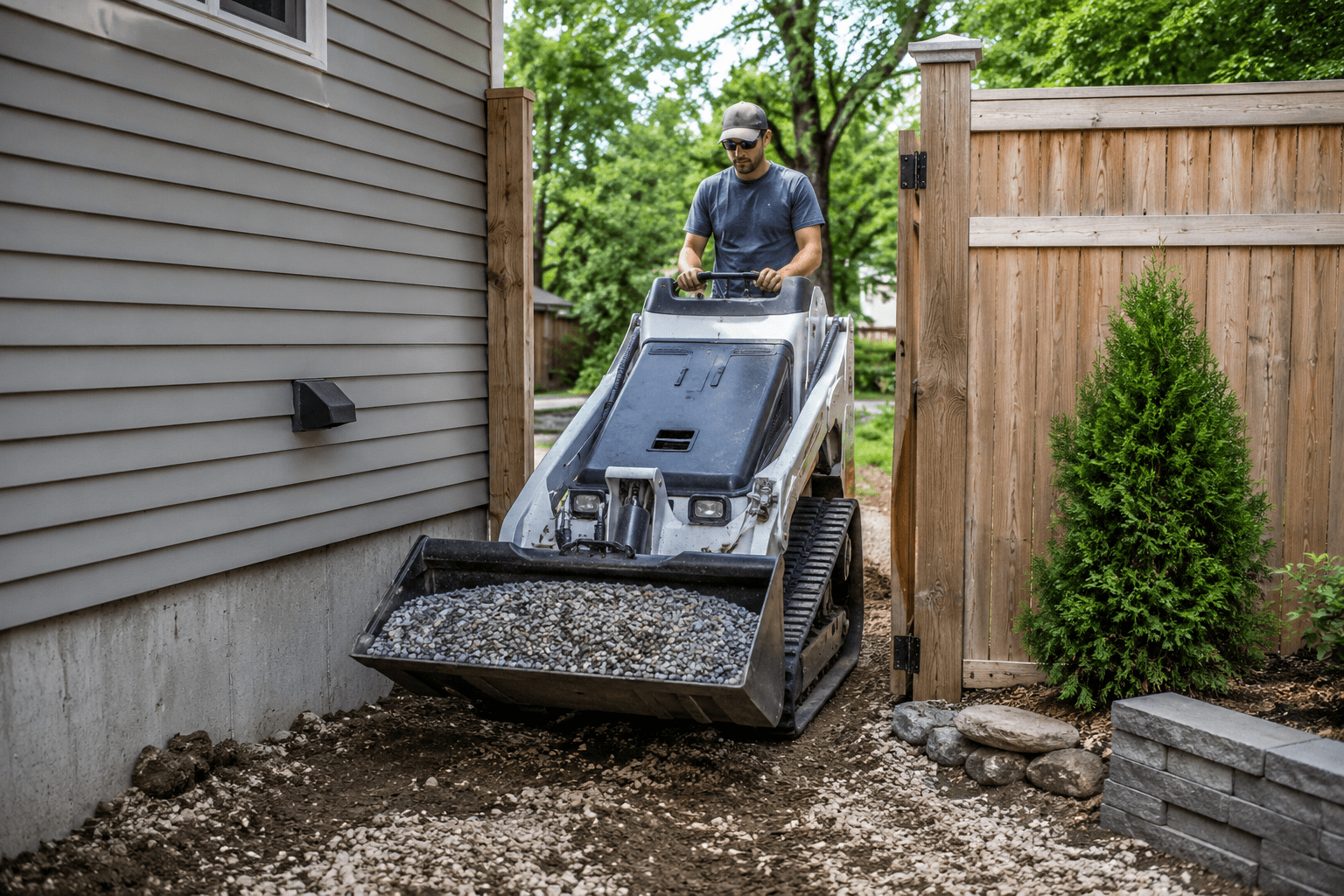
Construction projects involve moving enormous amounts of material.
Every day crews transport:
- Concrete block
- Retaining wall stone
- Lumber
- Steel
- Pipe
- Gravel
- Sand
- Fill
- Landscaping materials
- Demolition debris
Doing this manually costs time.
It also increases the likelihood of:
- Fatigue
- Back injuries
- Material damage
- Delays
Mini skid steers equipped with pallet forks or buckets dramatically reduce those risks while improving productivity throughout the project.
Utility Contractors Benefit Just as Much
Mini skid steers aren't limited to general construction.
Utility contractors frequently use them for:
- Water service installation
- Sewer lines
- Electrical conduit
- Fiber optic installation
- Irrigation systems
- Drainage improvements
When paired with trenchers or augers, these compact machines become highly specialized utility installation tools.
Because they're smaller than traditional equipment, they often reduce restoration costs after the project is complete.
Also Read 📖The Complete Guide to Buying a Mini Skid Steer: What Every Contractor Should Know Before Investing
Working Around Existing Structures
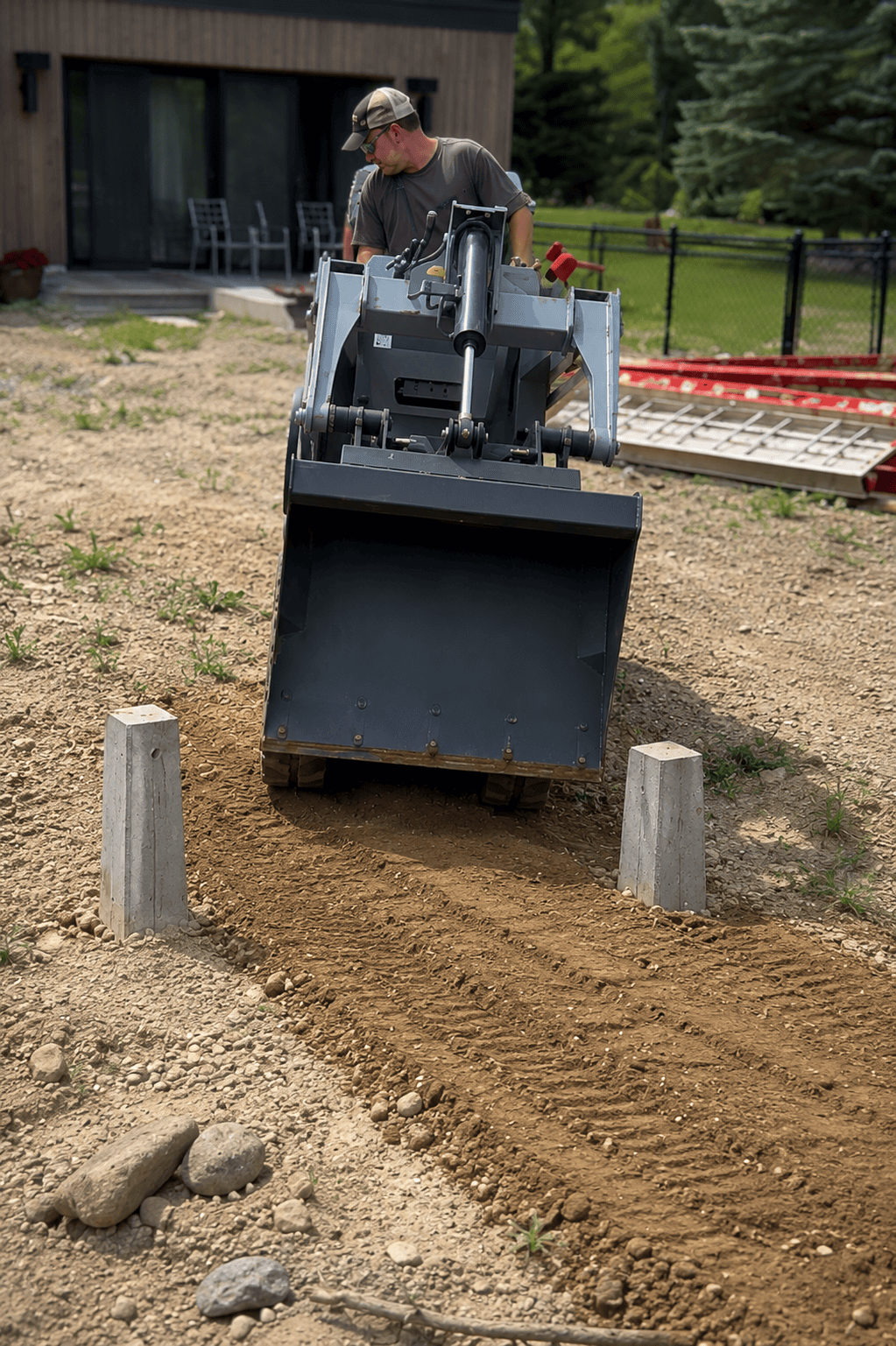
Many New England construction projects occur on developed properties.
Existing homes.
Historic buildings.
Commercial facilities.
Schools.
Municipal buildings.
Hospitals.
These projects often leave very little room for heavy equipment.
Mini skid steers provide exceptional maneuverability without sacrificing lifting capability.
Contractors can move materials safely while minimizing disruption to surrounding property.
Also Read 📖Why Tight-Access Projects Are Growing Across New England and What Contractors Need to Know
Better Access Means More Jobs
One overlooked benefit of compact equipment is the ability to accept projects that larger contractors often avoid.
Examples include:
- Backyard additions
- Residential retaining walls
- Foundation repairs
- Walkout basements
- Drainage corrections
- Utility repairs
- Tight-access excavation
Because mini skid steers fit through many residential gates and narrow access points, contractors can confidently bid projects that would otherwise require extensive manual labor.
The Right Attachment Can Turn One Machine into an Entire Fleet
The true value of a mini skid steer isn't just the machine itself—it's the versatility that comes from changing attachments.
Instead of investing in multiple specialized pieces of equipment, contractors can equip a single machine with attachments designed for dozens of different applications.
This flexibility allows crews to complete more work while reducing equipment costs, transportation expenses, and maintenance requirements.
For many contractors, attachments quickly become the greatest contributor to return on investment.
Also Read 📖Mini Skid Steer Attachments That Deliver the Highest Productivity Gains for Contractors
Bucket: The Everyday Workhorse
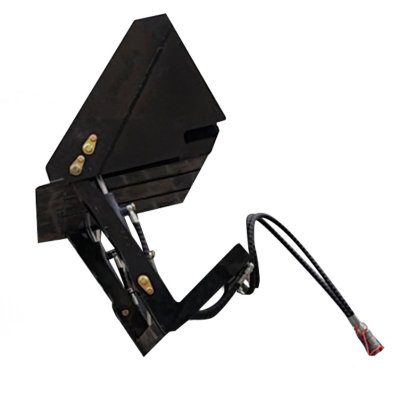
Every mini skid steer should begin with a quality bucket.
It may be the simplest attachment available, but it is also one of the busiest.
A bucket is ideal for:
- Loading gravel
- Moving topsoil
- Hauling mulch
- Transporting sand
- Backfilling foundations
- Removing debris
- Cleaning jobsites
- Snow removal
On virtually every construction project, the bucket becomes the attachment used several times each day.
Pallet Forks: Eliminate Manual Material Handling
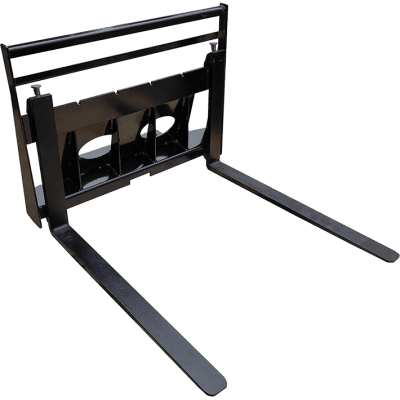
Material handling is one of the most physically demanding parts of any construction project.
Instead of unloading materials one block at a time, pallet forks allow contractors to move entire pallets exactly where they are needed.
Ideal for transporting:
- Retaining wall block
- Concrete pavers
- Lumber
- Roofing materials
- Brick
- Pipe
- Palletized supplies
- Jobsite deliveries
Reducing manual lifting not only saves time but also decreases worker fatigue and lowers the risk of injury.
Augers Speed Up Installation Projects
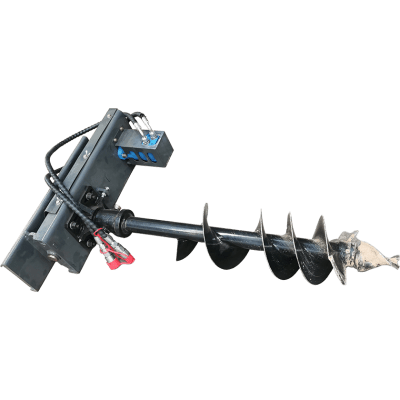
Contractors installing fencing, decks, signs, or landscaping know how time-consuming post holes can be.
Auger attachments dramatically reduce installation time while producing consistent, properly sized holes.
Common uses include:
- Fence posts
- Deck footings
- Tree planting
- Utility poles
- Mailboxes
- Sign foundations
Instead of spending hours digging manually, operators can complete multiple holes in minutes.
Trenchers Keep Utility Projects Moving
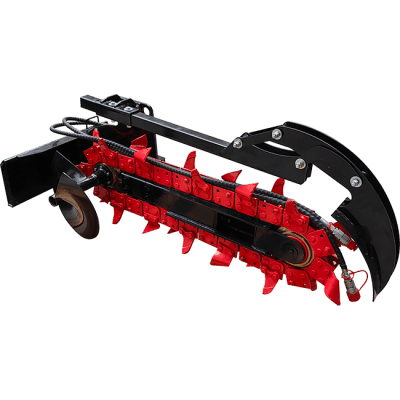
Underground utility work requires precision.
Mini skid steer trenchers provide contractors with an efficient way to install:
- Water services
- Drainage pipe
- Electrical conduit
- Irrigation systems
- Landscape lighting
- Fiber optic lines
Because compact loaders disturb less surrounding soil, restoration costs are often lower compared to larger excavation equipment.
Grapples Simplify Cleanup
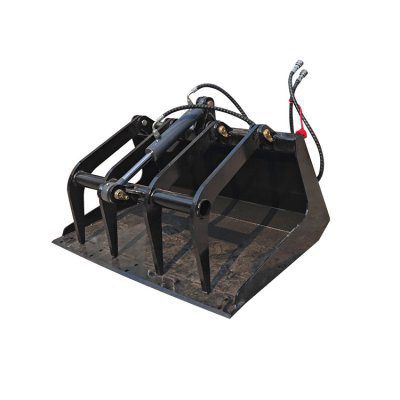
Construction doesn't end when the building is complete.
Cleanup can consume significant labor.
Grapple attachments make it easy to move:
- Logs
- Brush
- Broken concrete
- Demolition debris
- Tree limbs
- Construction waste
Instead of workers repeatedly bending and lifting heavy material, one operator can safely move large loads with ease.
Safety Improves Along with Productivity
Construction remains one of the most physically demanding industries.
Every year, contractors experience injuries caused by:
- Heavy lifting
- Repetitive motion
- Twisting
- Carrying materials
- Uneven terrain
- Fatigue
Compact equipment helps reduce these risks.
Instead of repeatedly lifting heavy retaining wall blocks, carrying lumber across muddy jobsites, or pushing overloaded wheelbarrows, workers can focus on skilled installation while the machine handles the heavy work.
Reducing fatigue often improves decision-making and overall jobsite safety.
Better Equipment Helps Win More Work
Customers rarely ask what equipment you own.
They notice something far more important.
They notice:
- Organized jobsites
- Faster production
- Professional crews
- Cleaner work areas
- Efficient material handling
- Projects completed on schedule
Having the right equipment helps contractors deliver a better customer experience, leading to stronger referrals and repeat business.
A compact mini skid steer often becomes one of the most visible signs of a professional operation.

Build a Machine
Return on Investment: More Than Saving Labor
Many contractors initially purchase a mini skid steer to reduce manual labor.
What they often discover is that the machine delivers value in many other ways.
Increased Productivity
Crews complete more work each day.
Reduced Physical Fatigue
Employees stay productive longer throughout the workday.
Improved Safety
Less lifting means fewer opportunities for strains and injuries.
Greater Equipment Versatility
One machine performs dozens of different jobs with interchangeable attachments.
Better Scheduling
Projects stay on schedule because materials move efficiently.
Expanded Services
New attachments allow contractors to bid additional types of work without purchasing more specialized equipment.
A Real-World New England Jobsite
Imagine a contractor in Portland, Maine, preparing a commercial property for a new office building.
The project requires:
- Clearing brush
- Rough grading
- Installing drainage
- Digging utility trenches
- Moving pallets of retaining wall block
- Loading gravel
- Cleaning the site before concrete crews arrive
Without compact equipment, several workers spend hours moving materials by hand.
With a V1000 equipped with a bucket, pallet forks, trencher, and grapple:
- Materials are delivered exactly where needed.
- Drainage trenches are completed efficiently.
- Debris is removed quickly.
- Workers spend more time installing and less time transporting materials.
- The project stays on schedule.
This is where compact equipment truly transforms construction operations.
What To Do Next...
Construction is becoming faster, more competitive, and increasingly dependent on efficiency.
The contractors who succeed are often those who find ways to maximize the productivity of every employee and every hour on the jobsite.
Mini skid steers have become one of the most valuable investments a contractor can make because they combine power, versatility, and compact size into one highly productive machine.
Whether you're preparing a residential lot, installing utilities, constructing retaining walls, or managing large commercial developments, the right compact loader can help your crew work smarter, safer, and more profitably.
At New England Mini Skids, we understand that every contractor's business is different. Our experienced team can help you compare the DRT 450T, DRT 480i, V1000, and XC1100, recommend the right attachments, and discuss financing options so you can invest in equipment that supports your business today and well into the future.
☎️Contact

Frequently Asked Questions
1. Why are mini skid steers becoming more popular on construction jobsites?
Mini skid steers allow contractors to complete more work with fewer manual labor hours. Their compact size, attachment versatility, and ability to work in confined spaces make them valuable for construction, site development, utility work, and material handling.
2. What construction jobs can a mini skid steer perform?
Mini skid steers can assist with site preparation, rough grading, trenching, backfilling, material handling, debris removal, retaining wall installation, utility work, landscaping, and demolition cleanup. With the proper attachments, one machine can perform dozens of different construction tasks.
3. Can a mini skid steer replace a full-size skid steer?
Not always. Full-size skid steers are better suited for large-scale earthmoving and heavy lifting, while mini skid steers excel in tight-access jobs, residential projects, and areas where maneuverability is more important than maximum lifting capacity. Many contractors use both machines depending on the project.
4. What are the best attachments for construction contractors?
The most popular construction attachments include buckets, pallet forks, grapples, trenchers, augers, brush cutters, and soil conditioners. The best combination depends on the type of work your company performs most often.
5. Are tracked mini skid steers better for New England construction projects?
Yes. Rubber tracks provide excellent traction on mud, wet grass, loose gravel, snow, and uneven terrain while reducing ground pressure and minimizing damage to finished lawns or soft soil, making them well suited for New England conditions.
6. How much labor can a mini skid steer save?
While savings vary by project, a mini skid steer can eliminate many hours of manual material handling. Tasks that once required several workers carrying heavy materials can often be completed efficiently by a single trained operator using the appropriate attachment.
7. Can mini skid steers be used for utility installation?
Absolutely. Mini skid steers equipped with trenchers and augers are commonly used for installing water lines, electrical conduit, irrigation systems, drainage pipe, fiber optic cable, and other underground utilities while minimizing disruption to surrounding areas.
8. Are mini skid steers safe to operate on construction sites?
When operated by trained personnel following the manufacturer's safety guidelines, mini skid steers are designed to provide stable operation, excellent visibility, and improved material handling. Safe operation also includes routine inspections, proper attachment use, and adherence to jobsite safety practices.
9. Which NE Mini Skids machine is best for construction and site development?
The ideal machine depends on the scope of your work. Residential contractors often benefit from the DRT 450T or DRT 480i, while larger site development, excavation, and commercial construction projects may be better served by the V1000 or XC1100.
10. Why should I buy from New England Mini Skids instead of purchasing equipment online?
Buying from New England Mini Skids gives you access to knowledgeable equipment specialists who can help match the right machine and attachments to your business. You'll also benefit from local service, parts support, financing assistance, and expert guidance long after the sale, helping maximize the value of your investment.


