Category Equipment Buying & Ownership

Mini Skid Steer Hydraulic Flow & GPM Explained| NE Miniskids

Close-up of mini skid steer hydraulic hoses and fittings with illustrated fluid flow, alongside a tracked mini skid steer operating a hydraulic auger to demonstrate GPM and attachment performance.

Mini skid steer hydraulic flow determines how effectively a machine powers hydraulic attachments. Measured in gallons per minute (GPM), hydraulic flow influences attachment operating speed, while PSI (pounds per square inch) determines the pressure available to generate force and torque. Understanding the difference between GPM and PSI helps contractors choose the right mini skid steer for augers, trenchers, brush cutters, and other hydraulic attachments—improving equipment compatibility, jobsite productivity, and overall performance.
What Size Mini Skid Steer Do I Need? | NE Mini Skids

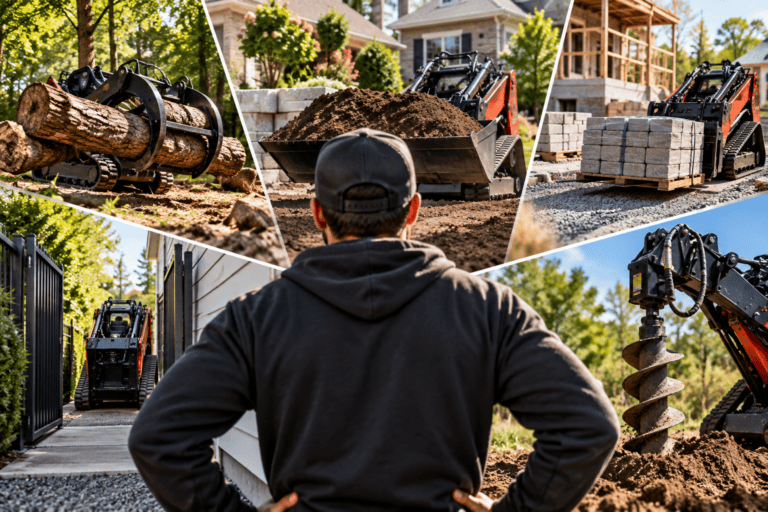
image of a potential buyer weighing the options for purchasing the correct machine.

Choose a mini skid steer based on four factors: the weight you routinely lift, hydraulic requirements of your attachments, physical access at your jobsites and how heavily the machine will be used. The best machine is not necessarily the largest—it is the one that comfortably handles your normal workload while maintaining the access and versatility your jobs require.

Tracks vs. Wheels: Which Mini Skid Steer Is Better?

A tracked mini skid steer is generally better suited to soft, muddy, uneven or loose terrain where traction and flotation are priorities. A wheeled mini skid steer may be better suited to firm surfaces such as pavement, compacted gravel and other conditions where tire performance matches the workload. Contractors should choose between tracks and wheels based on terrain, ground disturbance, seasonal conditions, transportation, maintenance and the surfaces where the machine will work most often.

Complete Mini Skid Steer Guide for New England Contractors

image of a residential construction site with a miniskid and attachments displayed in front of him.

A mini skid steer is compact, hydraulically powered construction equipment designed to operate interchangeable attachments for digging, grading, material handling, trenching, augering, landscaping and property-maintenance work. Its smaller footprint makes it particularly useful on residential properties and restricted-access jobsites where larger loaders may be difficult to maneuver. The right mini skid steer should be selected according to workload, access, lifting capacity, hydraulic requirements, terrain, attachments and transportation needs.

The Complete Guide to Buying a Mini Skid Steer: What Every Contractor Should Know Before Investing

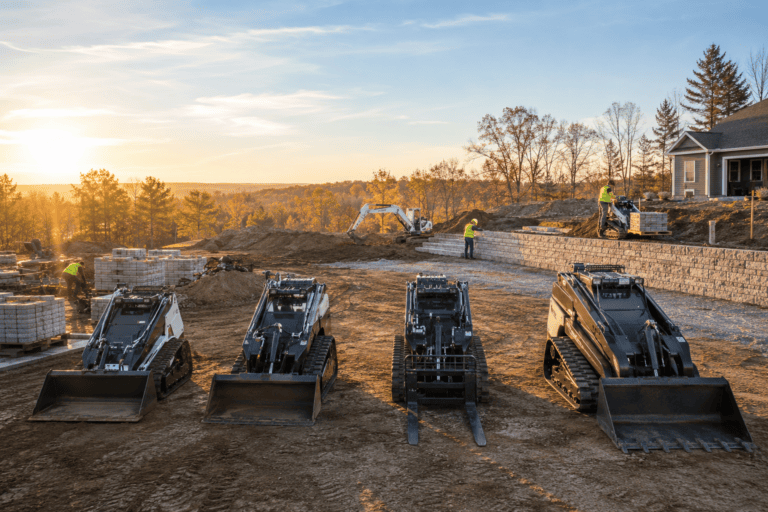
image of 4 different minskid machines lined up with different attachments

Buying a mini skid steer is one of the most important equipment investments a contractor can make. Whether you're a landscaper, excavator, hardscape installer, property maintenance professional, or construction contractor, choosing the right machine can dramatically improve productivity, reduce labor costs, and increase profitability. This comprehensive guide explains everything you need to know before purchasing a mini skid steer, from lift capacity and hydraulic performance to financing options and selecting the right model for your business.

Mini Skid Steer Attachments That Deliver the Highest Productivity Gains for Contractors

Derette 480i with a Lift Arm

A mini skid steer is one of the most versatile pieces of equipment a contractor can own, but the real productivity advantage comes from the attachments. The right attachment package can help contractors move materials faster, reduce manual labor, eliminate the need for multiple machines, and complete more jobs with fewer crew members. Across Maine and New England, contractors are increasingly relying on attachment versatility to maximize efficiency and profitability.

Are Oversized Machines Costing Contractors More on Small Jobsites?

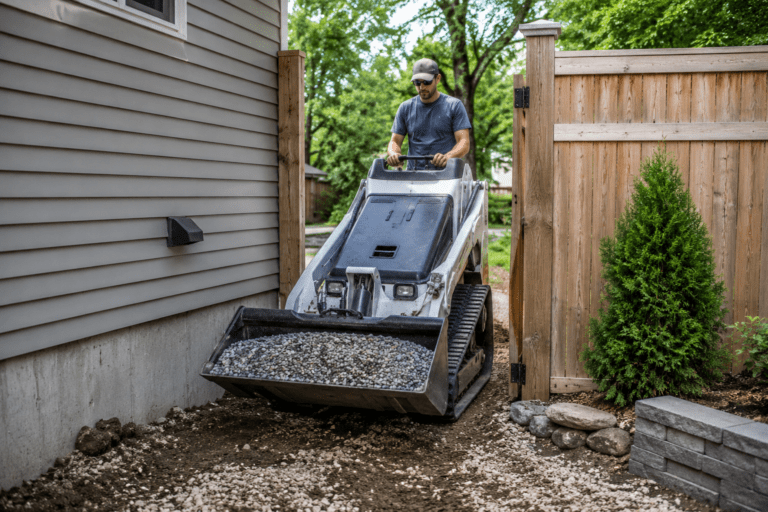
Mini skidsteer operating in a tight access doing landscape work in Maine.

Many contractors assume bigger equipment automatically means greater productivity. In reality, oversized machines often create hidden costs on small jobsites through transportation challenges, access limitations, property damage, fuel consumption, and labor inefficiencies. For contractors across Maine and New England, compact equipment like mini skid steers is increasingly becoming the smarter solution for maximizing productivity while reducing operational costs.