Michele Matthews

Michele Matthews

Mini Skid Steer vs. Compact Track Loader: Which Do You Need?

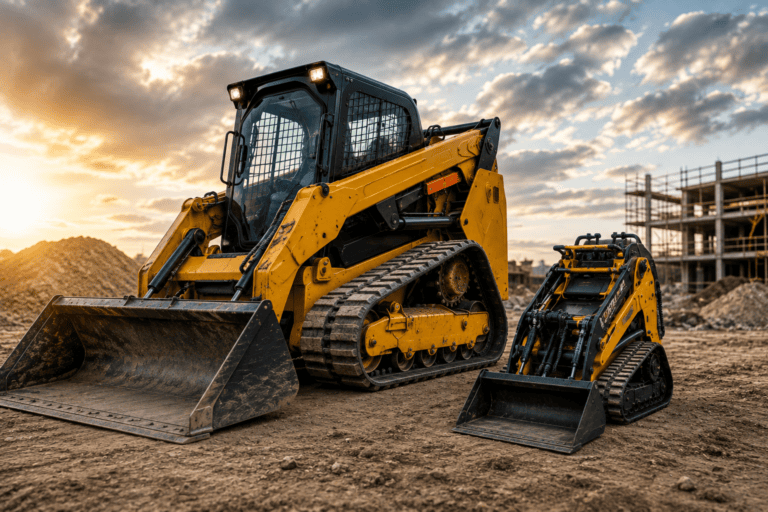
Large compact track loader and smaller tracked mini skid steer positioned side by side on a construction site, illustrating the size and footprint differences when choosing equipment for different workloads and jobsite conditions.

A mini skid steer is generally the better choice for tight-access jobs, residential construction, landscaping, frequent transportation, and projects where reducing manual labor is a priority. A compact track loader (CTL) is typically better suited for heavy lifting, large-volume excavation, material handling, and high-production jobsites. The best choice depends on the contractor’s actual workload, access restrictions, lifting requirements, attachment needs, transportation setup, and expected machine utilization.

Is a mini skid steer good for property maintenance and land management?

Yes. A compact tracked mini skid steer can be one of the most versatile machines for year-round property maintenance because attachments allow the same power unit to move soil and gravel, clear brush, repair driveways, install fencing, maintain trails, clean up storm debris, dig holes, handle materials, and manage snow. For New England properties, where seasonal conditions can range from spring mud to winter snow, that versatility can make a mini skid especially valuable for contractors, municipalities, property managers, farms, estates, and acreage owners.

Why Compact Mini Skid Steers Are Becoming the Smart Choice for Excavation and Earthmoving Projects

with the new era of compact excavation equipment becoming a high demand necessity, old equipment has become like dinosaurs.

Compact mini skid steers allow contractors to excavate, trench, grade, transport materials, and clean up jobsites using one highly versatile machine. Their narrow footprint provides access to confined spaces while rubber tracks minimize ground disturbance. Combined with hydraulic attachments, they deliver outstanding productivity for residential and commercial excavation projects throughout New England.

How Mini Skid Steers Are Transforming Construction & Site Development Across New England

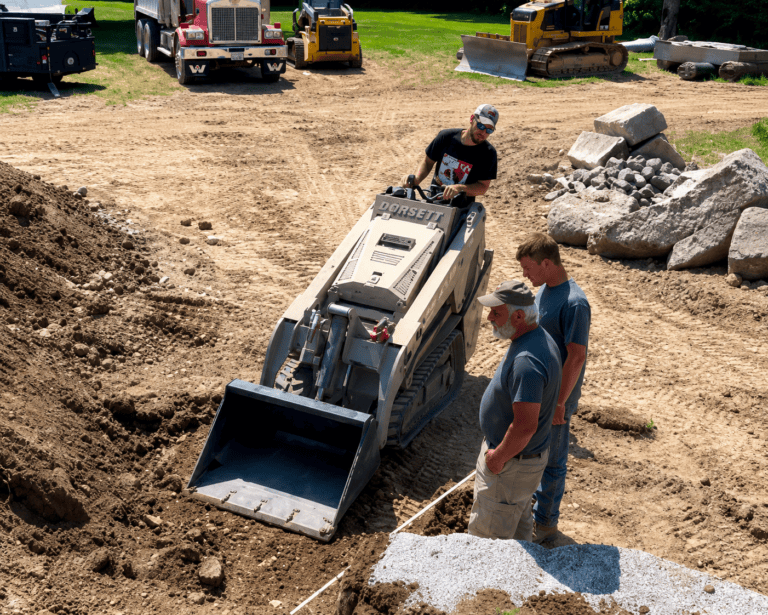
v1000 being used in a construction site to build the layers of a stone walkway.

Construction and site development have changed dramatically over the last decade. Labor shortages, tighter project schedules, and rising operating costs have forced contractors to find smarter ways to work. Mini skid steers have become one of the most valuable pieces of equipment on today's jobsites, allowing crews to move materials faster, reduce manual labor, work in confined spaces, and complete projects more efficiently. Whether you're preparing a residential lot, developing commercial property, or installing underground utilities, the right compact loader can significantly improve productivity and profitability.

The Complete Guide to Buying a Mini Skid Steer: What Every Contractor Should Know Before Investing

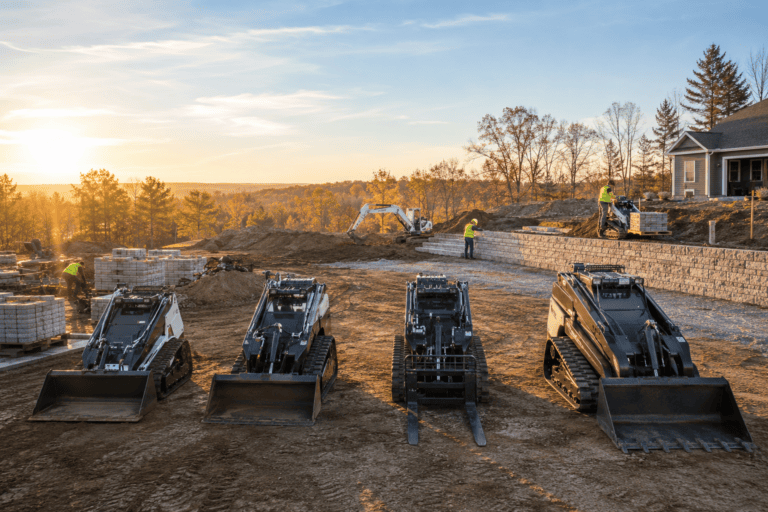
image of 4 different minskid machines lined up with different attachments

Buying a mini skid steer is one of the most important equipment investments a contractor can make. Whether you're a landscaper, excavator, hardscape installer, property maintenance professional, or construction contractor, choosing the right machine can dramatically improve productivity, reduce labor costs, and increase profitability. This comprehensive guide explains everything you need to know before purchasing a mini skid steer, from lift capacity and hydraulic performance to financing options and selecting the right model for your business.

Why Tight-Access Projects Are Growing Across New England and What Contractors Need to Know

Across Maine and New England, contractors are seeing a significant increase in projects that require precision, maneuverability, and compact equipment rather than oversized machinery. From backyard hardscape installations and drainage corrections to utility upgrades and infill development, today's jobsites are becoming tighter, more complex, and more access-restricted. Contractors who adapt to these changing project environments are discovering that mini skid steers and compact equipment provide a major competitive advantage.

Mini Skid Steer Attachments That Deliver the Highest Productivity Gains for Contractors

Derette 480i with a Lift Arm

A mini skid steer is one of the most versatile pieces of equipment a contractor can own, but the real productivity advantage comes from the attachments. The right attachment package can help contractors move materials faster, reduce manual labor, eliminate the need for multiple machines, and complete more jobs with fewer crew members. Across Maine and New England, contractors are increasingly relying on attachment versatility to maximize efficiency and profitability.

How Contractors Are Solving Labor Shortages with Compact Equipment in Maine

Contractors across Maine and New England are facing one of the biggest workforce challenges in decades. Skilled labor is harder to find, labor costs continue to rise, and project demands keep growing. Rather than relying solely on hiring more workers, many contractors are turning to compact equipment and mini skid steers to increase productivity, reduce manual labor, and complete more projects with smaller crews.

Are Oversized Machines Costing Contractors More on Small Jobsites?

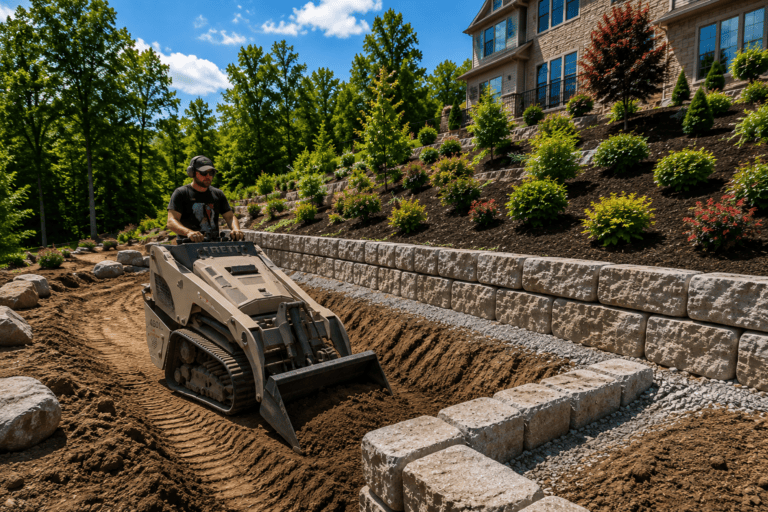
Mini skidsteer operating in a tight access doing landscape work in Maine.

Many contractors assume bigger equipment automatically means greater productivity. In reality, oversized machines often create hidden costs on small jobsites through transportation challenges, access limitations, property damage, fuel consumption, and labor inefficiencies. For contractors across Maine and New England, compact equipment like mini skid steers is increasingly becoming the smarter solution for maximizing productivity while reducing operational costs.